September 12, 2026 • Cassidy Vane • 9 min reading time • Prices verified June 6, 2026
ASICS and Saucony Track Spikes: The Mid-Tier Picks Coaches Recommend When Nike Isn't the Answer
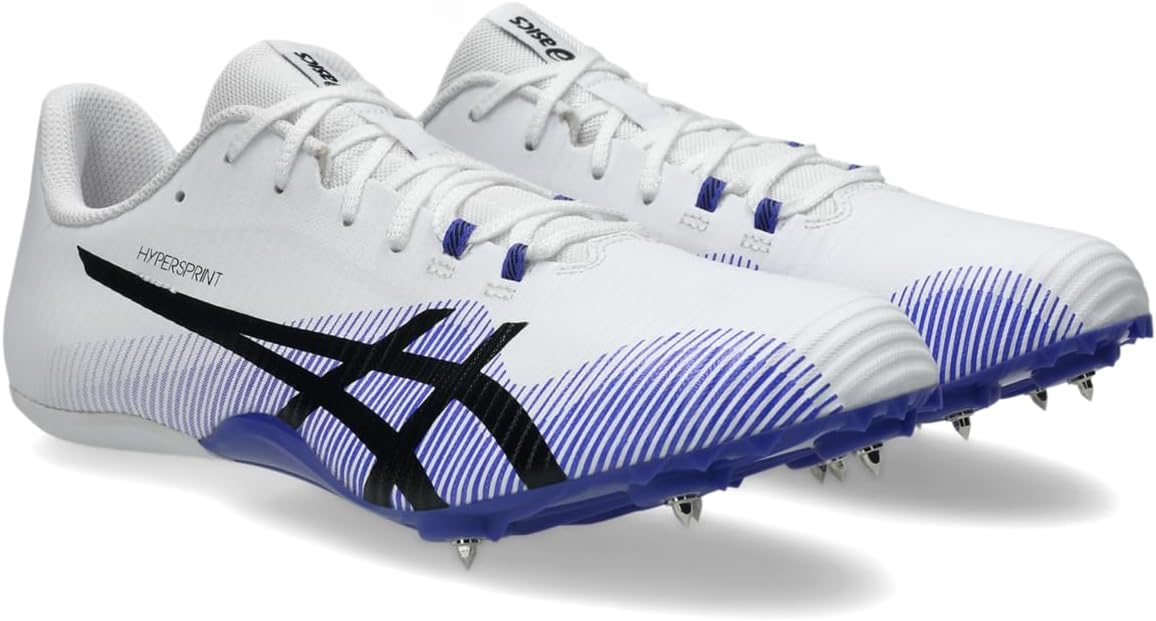
If you’ve ever stood in a running store staring at a wall of spikes — those lightweight, claw-tipped racing shoes built specifically for the track — the Nike and Adidas options usually dominate the conversation. And for good reason: models like the Nike Air Zoom Maxfly and Adidas Adizero Prime SP2 sit at the top of the sport. But “top of the sport” also means $225–$250 before tax, and not every athlete at the JV or freshman level, or even the club competitor returning after a few years off, is ready to extract full value from a shoe engineered for sub-10.5 hundred meters. This is where ASICS and Saucony earn their keep. Both brands produce track spikes that coaches routinely steer athletes toward when the goal is development, durability, and honest performance-per-dollar — without apologizing for skipping the flagship. This guide walks through the strongest current options from each brand, maps them to specific events and athlete profiles, and gives you the decision framework to know whether mid-tier is actually the right call for your season.
| EDITOR'S PICKASICS Unisex Hypersprint 8 Trac… | Mid-tierSaucony Men's Spitfire 5 Track… | Budget pickSaucony Women's Velocity Mp 11… | |
|---|---|---|---|
| Brand | ASICS | Saucony | Saucony |
| Model | Hypersprint 8 | Spitfire 5 | Velocity MP |
| Unisex? | ✓ | ✗ | ✗ |
| Gender fit | Women/Men | Men | Women |
| Colorway | Soothing Sea/Black | White/Carbon | Black/Vizi |
| Sizes listed | 11.5W/10M | 8.5 | 11 |
| Price | $74.95 | $54.95 | $29.65 |
| See on Amazon → | See on Amazon → | See on Amazon → |
Why Coaches Reach for ASICS and Saucony in the First Place
The short answer is fit consistency and forgiveness — two things that matter more than most athletes realize until they’ve blown a meet because their foot was fighting their shoe.
Podium Runner’s buying guide for track spikes notes that ASICS in particular has a reputation for producing lasts (the internal foot-shape molds that define how a shoe fits) that accommodate a slightly wider forefoot than the narrow, competition-first geometry common in Nike and Adidas sprint flagships. For athletes who are still in growth phases — or who simply have feet that don’t conform to the elite-narrow template — that difference is not cosmetic. A spike plate that doesn’t seat your foot cleanly is transmitting propulsive force into a moving target, not a stable base.
Saucony, meanwhile, has leaned into a different value proposition: their Endorphin Spike line uses a nylon spike plate (more on plates in a moment) that delivers meaningful energy return — “energy return” meaning the plate springs back against your foot to help push you forward — without the stiffness penalty that makes full-carbon plates unforgiving for athletes still developing their sprint mechanics. Track and Field News coverage of mid-tier spike options has consistently flagged the Endorphin Spike as a high-value distance and mid-distance choice for athletes bridging the gap between training shoes and elite hardware.
Neither brand is playing defense here. They’re targeting a specific athlete profile — and if that profile is yours, the flagship alternatives are genuinely worse options, not just cheaper ones.
ASICS Spikes: The Case for Each Key Model
Hyperspeed (Sprint/Jumps, ~$100–$120)
The ASICS Hyperspeed is the brand’s entry into the sprint spike category — covering 60m through 400m and most horizontal jump events (long jump, triple jump). It uses a full-length spike plate made from a thermoplastic material rather than carbon fiber. Published specs put the shoe’s weight around 4.5 oz in a men’s size 9, which is competitive at this price range.
What that means in real terms: the plate is stiffer than a pure nylon plate but lacks the aggressive snap of the carbon plates in the Maxfly or the Adizero Prime SP2. For athletes running 100m in the 11–12 second range (a realistic varsity-to-developing-elite corridor), that stiffness gap is largely theoretical. Owners across aggregated reviews consistently describe the Hyperspeed as stable and predictable — the words that come up most are “confidence” and “no surprises,” which is exactly what you want from a shoe during a PR attempt.
The shoe is World Athletics approved for competition, per the 2025 edition of the World Athletics Approved Competition Shoes List, so there are no compliance concerns at sanctioned meets.
Who this is for: Sprinters and jumpers in the $100 budget window who want a legitimate competition spike — not a training shoe masquerading as one. JV athletes, club competitors returning to the sport, and coaches outfitting a full roster on a team budget will find the Hyperspeed consistently delivers.
Hyper LD 6 (Distance, ~$90–$110)
The Hyper LD 6 (LD = long distance) is ASICS’s answer for 800m through cross-country-adjacent distances on the track. It runs noticeably lighter than the Hyperspeed — published specs land around 3.8 oz in men’s size 9 — with a more flexible, lower-profile plate designed for the longer ground-contact times of distance running.
The spike configuration (six pyramid spikes across the forefoot) is standard for distance events and legal at nearly all sanctioned meets. Fit notes from Running Warehouse describe the Hyper LD 6 as running true to size with a snug but not punishing forefoot — a middle ground that works for athletes who find Saucony’s distance offerings slightly narrow.
Who this is for: 800m–5,000m athletes who want a dedicated track spike without moving into the $150+ range. Particularly well-suited for athletes whose primary training happens in a cushioned flat and who only need the spike for race day.
Saucony Spikes: Where They Win
Endorphin Spike 4 (Middle Distance/Distance, ~$130–$150)
This is Saucony’s best argument in the mid-tier spike conversation, and it’s a strong one. The Endorphin Spike 4 uses a full-length nylon spike plate embedded in a midsole that incorporates PWRRUN PB foam — Saucony’s top-tier foam compound, the same material used in their Endorphin Pro road racing shoes. That combination is unusual at this price point; most competitors at $130–$150 use a plate-only or minimal-foam construction.
What owners consistently report: the shoe feels “alive” underfoot in a way that budget spikes don’t — there’s genuine energy return on toe-off, which matters most in the 800m–1500m range where athletes are operating near maximum aerobic output for 1–4 minutes. The tradeoff is that the foam adds a small amount of weight compared to a stripped-down spike-plate-only design. Published specs put the Endorphin Spike 4 at approximately 5.2 oz (men’s size 9), which is slightly heavier than the bare-plate ASICS Hyper LD 6 but lighter than most trainers by a significant margin.
Podium Runner’s buying guide notes the Endorphin Spike as a standout recommendation for collegiate middle-distance athletes who want genuine performance hardware without committing to a $200+ carbon-fiber spike.
Who this is for: 800m–3000m athletes at the high school varsity through collegiate level who can feel the difference between a plate and a plate-plus-foam construction. Also a strong option for masters competitors who’ve moved away from fully rigid shoes due to joint load concerns.
Spitfire 6 (Sprint, ~$80–$100)
The Spitfire 6 is Saucony’s sprint-focused option, covering 60m through 400m. It’s a more traditional sprint spike: stiff forefoot plate, minimal heel, aggressive forward lean geometry. At $80–$100, it competes directly with the ASICS Hyperspeed on price while offering a marginally narrower fit that suits athletes with performance-oriented foot shapes.
Aggregated reviews flag the Spitfire 6 as a durable and reliable sprint spike — not the most technically advanced plate on the market, but consistent over a full season of use, which matters for athletes who train in their spikes occasionally or don’t have the budget to rotate between a training spike and a race-day spike.
Who this is for: Budget-conscious sprinters — particularly freshmen and athletes new to the event — who want a real sprint spike without the Hyperspeed’s slightly bulkier profile. Parents buying a first spike: this is a safe, well-supported choice.
By the Numbers
| Model | Price (MSRP) | Weight (Men’s 9) | Best Events | Plate Material |
|---|---|---|---|---|
| ASICS Hyperspeed | ~$110 | ~4.5 oz | 100m–400m, LJ/TJ | Thermoplastic |
| ASICS Hyper LD 6 | ~$100 | ~3.8 oz | 800m–5,000m | Flexible nylon |
| Saucony Endorphin Spike 4 | ~$140 | ~5.2 oz | 800m–3,000m | Nylon + PWRRUN PB foam |
| Saucony Spitfire 6 | ~$90 | ~4.3 oz | 60m–400m | Thermoplastic |
Prices reflect May 2026 market average across Running Warehouse and JackRabbit. Weights are manufacturer-published and may vary by color run.
The Honest “Do You Need This Yet?” Framework
Here’s where the decision frame matters most. Mid-tier spikes are not consolation prizes — for the right athlete, they are the correct answer, full stop. But “correct” depends on your specific situation.
If your 100m PR is above 11.5 (women) or 12.0 (men): The performance gap between a $110 spike and a $225 carbon spike is not the variable separating you from faster times. Mechanics, strength work, and consistent training volume are. A Hyperspeed or Spitfire 6 is the right shoe. Use the savings for a training program or a second pair of flats.
If you’re running 800m–1500m at a varsity or club level: The Saucony Endorphin Spike 4 is a serious competitor to options costing $50–$70 more. If the foam-plate combination feels right in a store try-on (Running Warehouse offers a 90-day return window on unworn shoes, which covers most fit concerns), it’s worth the $130–$150 investment over a budget-tier spike.
If you’re a coach buying for a full roster: ASICS’s fit consistency across sizes and the durability profile of both ASICS and Saucony designs make them lower-risk bulk purchases than flagship models where sizing can vary by colorway run. Track and Field News coverage of program-level gear decisions consistently supports this pattern — coaches at the high school level who’ve standardized on ASICS mid-tier spikes report fewer mid-season fit complaints than programs using a mix of sizes in performance-tuned flagships.
If you’re a parent buying a first spike: Start with the Spitfire 6 or Hyper LD 6 depending on event. If your athlete is still growing — common at the freshman and sophomore level — a $90 spike that gets replaced next year is a smarter investment than a $200+ carbon spike that may not fit by December.
If you’re a developing athlete who’s already maxed out the mid-tier: This is the scenario where the Nike Maxfly or Adidas Adizero Prime SP2 conversation becomes legitimate. If you’ve worn out a pair of Hyperpeeds, run consistent varsity PRs, and your coach is talking about technical refinements in your sprint mechanics rather than foundational corrections, the upgrade is earned. Until then, the mid-tier options covered here aren’t slowing you down.
The honest truth about spike selection — and the thing coaches who recommend ASICS and Saucony are really communicating — is that the best spike is the one your foot trusts on race day. Confidence in your equipment is not a soft variable. It shows up in your block start, your drive phase, and your willingness to push through the last thirty meters. If a $110 shoe gives you that, it’s a better choice than a $225 shoe that doesn’t fit quite right but feels like it should.