August 29, 2026 • Cassidy Vane • 9 min reading time • Prices verified June 6, 2026
ASICS Sizing Is Different: The Fit Problem Every New Buyer Needs to Know Before Ordering
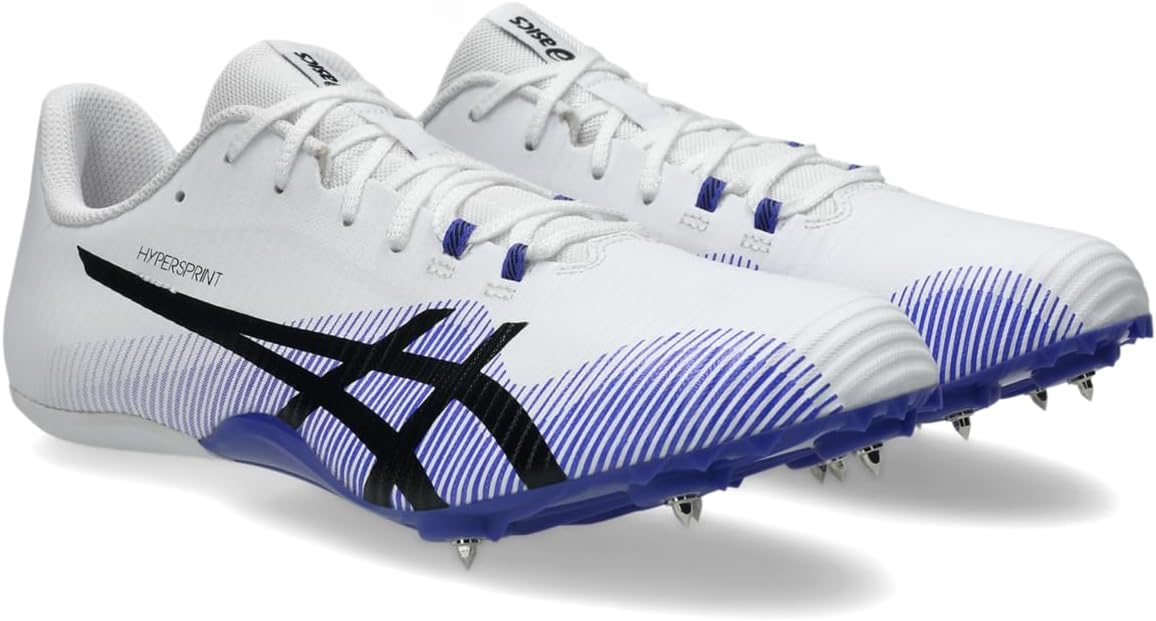
If you’ve never bought a track spike before, here’s the quick context: a track spike is a specialized racing shoe — usually very lightweight, with a rigid plastic or carbon plate in the forefoot and small metal pins (the “spikes”) that screw into the sole for grip on a rubberized track surface. Unlike everyday sneakers, spikes are designed to fit snugly, almost like a second skin, because any extra room in the toe box translates directly to wasted energy and slower times. That tight-fit philosophy is why sizing matters so much more here than it does when you’re buying a casual shoe. Get it wrong by even half a size and you’re either losing power from heel slippage or — and this is the real risk — cramping or injuring a foot mid-race. This article is specifically about ASICS track spikes and one of the most consistent complaints across buyer reviews: ASICS sizes run small, and if you order your normal size without knowing that, you will likely be returning a pair or racing in pain.
The Core Problem: What “Runs Small” Actually Means for a Track Spike
When reviewers say a shoe “runs small,” they usually mean one of two things: the shoe is shorter than the labeled size (your toe is cramped against the front), or the shoe is narrower than expected (the widest part of your foot is being compressed from the sides). With ASICS track spikes, buyer feedback points to both — but the length issue is the more urgent one.
Across aggregated reviews of the ASICS Hypersprint 8, a recurring pattern shows up in the owner feedback: multiple buyers explicitly state “size up, ASICS run a bit small.” This isn’t one outlier review. It’s a consensus. The Hypersprint 8 is a sprint spike — designed for 100m through 400m — where the fit is intentionally aggressive and the shoe is meant to feel locked-in. But “locked-in” and “half a size too short” are different things, and the review record suggests buyers are frequently confusing the two until they’ve already worn the shoes around enough that a return is complicated.
The ASICS Fit Guide (published by ASICS Corporation) acknowledges that their lasts — the foot-shaped forms around which shoes are built — follow a Japanese sizing standard that doesn’t map cleanly onto U.S. or European sizing conventions. That gap is where the confusion lives.
By the numbers:
- Hypersprint 8 owners: majority consensus is size up ½ to full size
- Hyper MD 8 owners: at least one reviewer describes fit as “true to size, not too wide, not too narrow”
- Resurgence XC: one documented case of left-foot cramping after ordering down to match a sprint-spike fit preference — at approximately 70% effort in a 100m
The Resurgence XC Case: A Real Injury Risk, Clearly Stated
This section deserves its own space because it’s not just about comfort — it’s about avoiding a preventable injury.
One buyer who normally wears a 41 in European sizing reported that ASICS’s own sizing guidance was unclear about which direction to go on the Resurgence XC (a cross-country spike, designed for off-track surfaces including grass, mud, and packed dirt). Wanting a locked-down sprint-spike feel, they chose the smaller size. The result: left foot cramping during a 100m effort at approximately 70% intensity.
That detail matters. Cramping at 70% effort means the shoe was already creating enough compression to restrict blood flow or limit toe splay before the foot even reached maximum ground-force loading. In a race at full effort, that gets worse, not better. Foot cramping in a spike can also destabilize your stride mechanics, which carries downstream risk for the ankle and knee.
The lesson here isn’t that the Resurgence XC is a bad shoe — it isn’t. The lesson is that sizing down to chase a “sprint spike feel” in a cross-country spike is a specific mistake with a documented consequence, and if you’re ordering the Resurgence XC, you should be sizing at your normal measurement or slightly above it, not chasing a tighter fit.
Per the Podium Runner guide on fitting track spikes, a sprint spike can fit closer to the end of the toe because the forefoot plate limits toe-spread anyway — but a cross-country spike has more flexibility in the upper, and the fit rationale is different. Treating every spike category the same way is how buyers end up in pain.
The Exception: Hyper MD 8 and Why It Matters
Not every ASICS spike has a sizing problem, and intellectual honesty requires saying that clearly.
The ASICS Hyper MD 8 — a middle-distance spike designed for events from roughly 800m through 5,000m on the track — has collected owner feedback that bucks the trend. At least one buyer specifically describes the fit as “true to size, not too wide, not too narrow.” That’s a meaningful contrast to the Hypersprint 8 consensus.
Why might this be? Middle-distance spikes are generally built on a slightly less aggressive last than pure sprint spikes. The forefoot doesn’t need to be as compressed because the event demands a little more foot movement across a longer stride cycle. The Hyper MD 8’s construction may simply reflect a different last design than the Hypersprint family.
The practical implication: don’t apply the Hypersprint sizing advice to every ASICS spike you’re considering. Model matters. The right approach is to look up buyer consensus for the specific model you’re ordering, not assume a single ASICS-wide rule applies to everything.
What the Hyper MD 8 also has going for it is performance satisfaction among buyers who get the fit right. A parent of a 14-year-old 400m and 800m runner gave it five stars and specifically quoted their son calling the shoe “very fast.” That kind of enthusiastic feedback from a young athlete using the shoe in competition is worth noting — when the sizing is correct, ASICS spikes perform at a level that justifies the attention.
ASICS Unisex Sizing and Women’s Fit: An Extra Layer of Complexity
ASICS sells some spike models in unisex sizing, which means the size scale is built around a men’s last. Women buying unisex ASICS spikes typically need to go down 1.5 sizes from their women’s size — so a women’s 8.5 would correspond roughly to a men’s/unisex 7.
Layer the general ASICS-runs-small issue on top of that conversion and you have two independent sources of fit error working against you at the same time. Runners World’s track spike buying guide notes this as a consistent friction point for women navigating unisex sizing across multiple spike brands — ASICS is not unique in building some models this way, but the combination of the conversion math plus the brand-specific sizing tendency makes getting it right harder.
Practical guidance for women buying unisex ASICS spikes:
- Start with the standard women’s-to-men’s conversion (subtract 1.5 sizes).
- Then consider sizing up an additional half size based on the Hypersprint 8 owner consensus.
- If possible, check whether the specific model has any women’s-specific reviews that give you direct guidance — the Hyper MD 8 feedback is more balanced and may not require the same aggressive adjustment.
The Decision Framework: If X, Then Y
Here’s where this article earns its keep. If you’re currently deciding whether to order ASICS spikes and trying to figure out sizing, work through this:
If you’re ordering the Hypersprint 8 for sprint events (100m–400m): Size up half a size from your normal running shoe size. Owner consensus is strong and consistent. Don’t talk yourself out of it.
If you’re ordering the Resurgence XC for cross-country: Order at your true running size or a half size up. Do not size down to chase a sprint-spike feel. The documented cramping case at 70% effort is a real risk signal, not a one-off complaint.
If you’re ordering the Hyper MD 8 for middle distance: Owner feedback suggests this model fits closer to true size. Start at your normal running size, but if you have a wide forefoot, consider a half size up as insurance.
If you’re a woman buying a unisex ASICS spike: Subtract 1.5 from your women’s size to get the unisex starting point, then consider going up another half size for the Hypersprint family.
If you’re a parent buying for a young athlete who is still growing: Build in at least a half size of growth room on top of any size-up recommendation. A spike that’s too short mid-season is worse than one that was slightly generous at purchase.
If you can’t return the shoes easily: Buy from a retailer with a clear return window and check whether the shoes have been worn outdoors — most specialty running retailers won’t accept returns on spiked shoes used on track or grass. Order, try on indoors on carpet only, and confirm the fit before you ever set foot on a track surface.
Frequently Asked Questions
Should I size up in ASICS track spikes? For the Hypersprint 8, yes — buyer consensus across multiple reviews explicitly recommends sizing up half a size. For the Hyper MD 8, the evidence is more mixed and suggests true-to-size may work for many buyers. Always check model-specific feedback rather than applying a single ASICS-wide rule.
Do ASICS track spikes run narrow? Width complaints appear alongside length complaints in some reviews, but the more consistent and urgent issue is length — shoes that are shorter than the labeled size. If you have a wide forefoot, treat narrowness as an additional risk factor on top of the length issue and consider sizing up slightly for that reason as well.
How does ASICS unisex sizing work for women? Unisex ASICS spikes are built on a men’s last. Women should start by subtracting 1.5 sizes from their women’s size to get the unisex equivalent, and then factor in the brand’s general tendency to run small on top of that conversion.
Why did my foot cramp in my new ASICS track spikes? Based on documented buyer experience with the Resurgence XC, cramping during effort is a real consequence of sizing too small in a spike. If you sized down to get a tighter fit and experienced cramping — especially on one foot — the most likely cause is compression restricting blood flow or toe splay. The fix is to size up, not to “break in” a shoe that doesn’t fit.
Are ASICS track spikes worth it if the sizing is confusing? Yes — but only if you get the fit right. The enthusiastic reviews from buyers who nail the sizing, including young athletes calling the Hyper MD 8 “very fast” mid-competition, reflect a genuinely well-performing shoe. The sizing issue is a buying problem, not a performance problem. Solve it before you order and the shoe delivers.