September 1, 2026 • Cassidy Vane • 9 min reading time • Prices verified June 6, 2026
First Track Spike Purchase: The Complete Checklist for Athletes, Parents, and Coaches Who've Never Done This Before
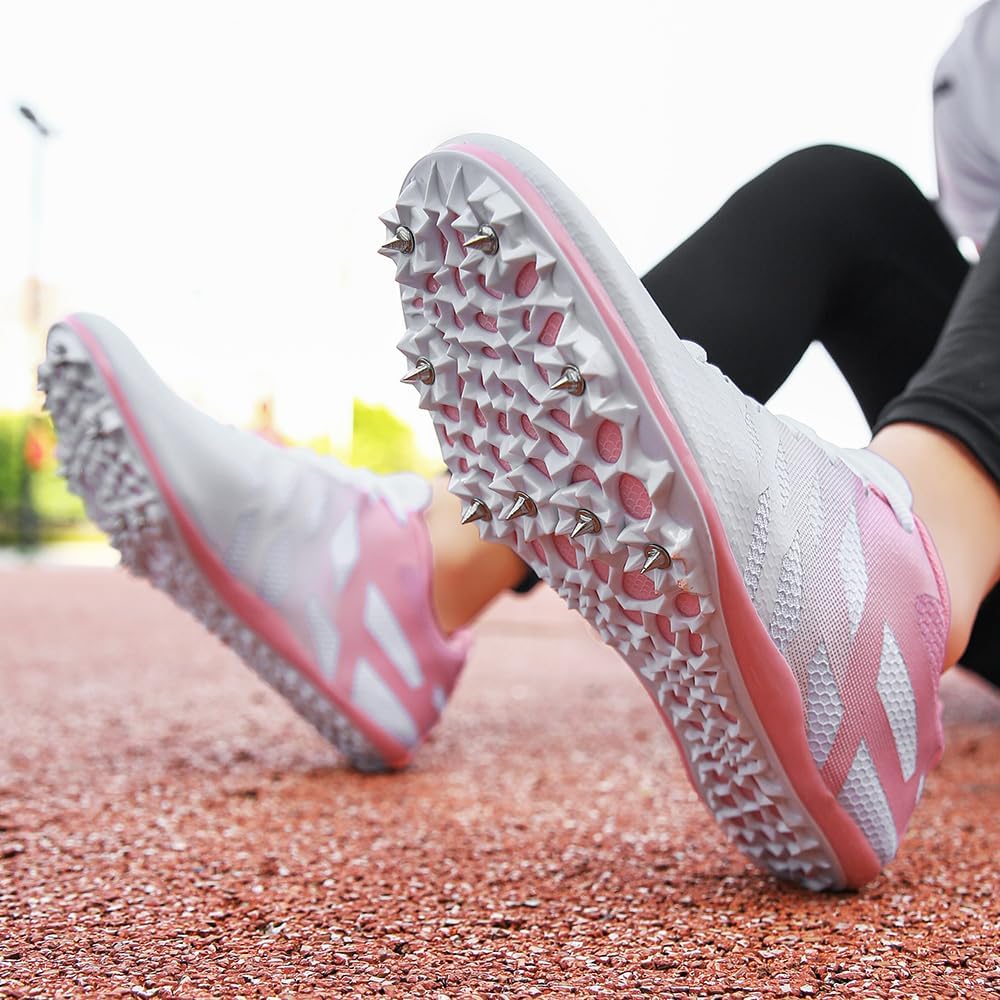
If you’ve never bought a pair of track spikes before, the shelf at the running store can feel like a foreign language. Spikes — that’s the common name for track racing shoes with small metal or plastic pins screwed into the forefoot — are purpose-built for the oval. Unlike a regular running shoe, they have a stiff, angled sole designed to push off hard ground more efficiently, almost no cushioning underfoot, and a very snug fit. The pins (also called “spikes,” confusingly) dig into the track surface for grip. The right pair can genuinely improve performance; the wrong pair wastes money or, worse, causes injury. This checklist is built for the athlete stepping onto a track team for the first time, the parent trying to decode a coach’s gear list, and the coach putting together a roster order — and it’s organized so you can move from “I know nothing” to a confident purchase decision in one read.
Step 1 — Match the Shoe to the Event Before You Look at Price
The single biggest mistake first-time buyers make is shopping by price or brand before narrowing down by event. Track spikes are specialized tools. A sprint spike that’s perfect for the 100m will make a distance runner miserable, and vice versa. Here’s the basic map:
Sprint events (60m–400m): Sprint spikes are extremely stiff, have a sharply raised heel (called “heel drop” — the difference in height between heel and forefoot), and are designed so you run entirely on your toes. They feel awkward standing still. That’s intentional. The stiffness transfers force into the track instead of absorbing it. Entry-level options like the Nike Zoom Rival S9 (around $40–$50) or Adidas Adizero SC (similar price range) are appropriate for most high school athletes getting started. Elite-tier options like the Nike Air Zoom Maxfly ($225) and Adidas Adizero Prime SP2 ($250) include carbon-fiber or carbon-composite plates — rigid internal structures that act like a spring — and are genuinely overkill for athletes still learning race mechanics, per Running Warehouse’s track spike buying guide.
Middle distance (800m–1500m): These spikes split the difference — stiffer than a distance flat but with slightly more heel cushioning than a pure sprint spike. The Nike Zoom 400 and New Balance MD500v8 occupy this space at accessible price points.
Distance events (3000m–10,000m, steeplechase): Distance spikes — sometimes called “distance flats” when they have minimal or no spike plate — prioritize lightweight cushioning and a more natural heel-to-toe motion. The Adidas Adizero Avanti TYO is a well-regarded option in this category. Some distance athletes at the high school level run in lightweight training flats rather than dedicated spikes, especially on rubberized tracks.
Hurdles: Use sprint spikes. The event-specific geometry is nearly identical to flat sprinting.
Jumps (long jump, triple jump, high jump, pole vault): Jump spikes are a distinct subcategory with full-length spike plates and specialized construction. Don’t substitute sprint spikes here — the spike placement is different and injury risk increases. High jump spikes, in particular, have a heel spike configuration not found in any other category.
Throws (shot put, discus, hammer, javelin): Throwing shoes sit in their own world entirely — rotational events need a smooth pivot point, not a grip spike. This checklist focuses on running events; throwing footwear is covered separately in our throwing shoe guide.
Step 2 — Understand the Spike Configuration (Pins and Plate)
Once you’ve matched shoe to event, the next layer is spike configuration. This is where most buying guides skip ahead too fast.
The spike plate is the stiff insert at the forefoot with threaded holes where the metal pins screw in. On cheaper shoes, this plate is plastic. On mid-tier shoes, it’s a reinforced composite. On elite shoes, it’s carbon fiber. Podium Runner’s overview of carbon plates in sprint spikes notes that carbon plates don’t make slower athletes faster — they make efficient mechanics more efficient. Sub-varsity athletes building their stride pattern won’t feel the difference between a $50 plastic plate and a $225 carbon plate; they’ll feel the $175 price gap.
The pins themselves come in two standard profiles:
- Pyramid spikes — tapered, pointed tips. Standard for most track surfaces, including the polyurethane (rubberized) ovals at most high schools.
- Needle spikes — longer, thinner, designed for softer tracks or cross country. Less common in pure track contexts.
Most shoes ship with one set of pins included. Replacement pins typically cost $3–$8 per set at specialty retailers. Running Warehouse’s spike guide recommends keeping a spike wrench (usually included with the shoe) and a spare set of pins in your gear bag — pins loosen mid-race more often than you’d expect.
Spike count matters too. Sprint spikes typically have 6–8 spike positions. Distance spikes often have 4–6. More spikes generally means more grip but also more weight — a tradeoff that matters more at the elite level than at the high school level.
Step 3 — Get the Fit Right (This Is Where Online Buyers Get Burned)
Track spikes fit differently than running shoes. Most spike sizing runs a half-size to a full size smaller than a standard trainer because the fit is intentionally snug — there should be minimal dead space in the toe box. Runners World’s 2025 spike roundup consistently flags this as the top source of returns and fit complaints from first-time buyers.
By the numbers:
| Buyer type | Recommended fit approach |
|---|---|
| First-time buyer, in-person | Try on at a specialty retailer; wear thin, low-cut track socks |
| First-time buyer, online | Order your normal size AND a half-size up; check the retailer’s return window before purchasing |
| Coaches buying for a roster | Request width notes from the retailer; several Nike and Adidas sprint spikes run narrow and may not suit all foot types |
A few fit notes worth internalizing:
- Spikes should feel tight but not painful. Your toes should reach the end of the shoe without curling.
- Width matters more than most guides acknowledge. Several popular sprint spikes — including the Maxfly — are reviewed by owners as running quite narrow through the midfoot. Athletes with wider feet should try before buying or prioritize brands with more generous fits.
- Some athletes wear spikes a half-size down intentionally to eliminate any forefoot slippage. This is a personal preference, not a universal recommendation, and it’s a bad idea for athletes whose feet are still growing.
On return windows: JackRabbit and Running Warehouse both maintain returns on unworn footwear; policies as of mid-2026 typically allow 30–60 days on unworn merchandise. Once you’ve run in a spike, most retailers will not accept a return. This makes the “order two sizes and return one” strategy viable — but confirm current policy before ordering.
Step 4 — Check World Athletics Compliance (Coaches and Competitive Athletes, Read This)
If you’re buying spikes for competition at the high school or collegiate level, you need to know about World Athletics shoe regulations. World Athletics — the international governing body for track and field — publishes a list of approved competition shoes and sets rules on maximum sole thickness, spike length, and construction. The current rules (World Athletics Technical Rules, Rule 5) cap sprint spike plate height and limit spike pin length to 9mm on standard tracks (11mm on cross country).
Most retail track spikes sold by major brands comply automatically. The compliance issue arises with:
-
Super spikes — a category of elite sprint and distance shoes with carbon plates and stack heights pushing the upper edge of allowable specs. Some models have had delayed approvals or limited competition-legal windows. The Nike Air Zoom Maxfly and Adidas Adizero Prime SP2 are on the approved list as of publication; always verify before a sanctioned championship meet.
-
Counterfeit or gray-market spikes — shoes sold through unauthorized channels at suspicious discounts that don’t appear on the approved list. This is a real risk for parents buying through unofficial online marketplaces. Stick to authorized specialty retailers.
Coaches ordering for a full team: world athletics.org publishes and updates the approved shoe list. It’s worth a quick check before placing a bulk order, especially if you’re sourcing recently-released models.
Step 5 — Set a Budget That Matches the Athlete’s Level
Here’s the honest version of this conversation, the kind a good older teammate would have with you:
Entry-level ($35–$80): The Nike Zoom Rival series and Adidas Adizero SC range cover most high school athletes in sprint and mid-distance events. These shoes have plastic spike plates, basic upper materials, and no carbon. For a freshman still learning to run in spikes, this is exactly the right tier. Don’t let a coach or a gear list pressure you above this range if the athlete isn’t competing at a regional or state level.
Mid-tier ($80–$160): Shoes like the New Balance MD500v8 or Nike Zoom 1500 sit here. More refined fit, better materials, still no carbon plate. A strong choice for athletes with two or more seasons of spike experience.
Elite tier ($160–$250+): Carbon-plated sprint and distance spikes. The Nike Air Zoom Maxfly ($225), Adidas Adizero Prime SP2 ($250), and similar models belong in this tier. Per aggregated reviews on Runners World and Podium Runner, the performance benefit of carbon plates is real — but it’s most legible to athletes who already have efficient mechanics and are competing at regional, state, or collegiate levels. If the athlete’s current PR in the 100m is above 13 seconds, the carbon plate is not the limiting factor in their performance.
The “last-gen discount” move: Elite spike models are typically updated on 2–3 year cycles. When a new model drops, the previous generation often hits 30–50% off at specialty retailers. The Adizero Prime SP (pre-SP2) and earlier Maxfly configurations are functionally excellent shoes available at significant discounts. This is a reliable strategy for athletes who want elite construction without paying full retail.
The Decision Rule
If you’ve read this far, here’s the clean if-then framework:
- If the athlete is in their first 1–2 seasons and not yet competing at state or regional level → buy entry-tier spikes ($40–$80), correct event category, and use the savings on a second pair of training shoes.
- If the athlete has 2+ seasons, is competing at a regional or qualifying level, and has consistent mechanics → mid-tier is the right call; carbon is worth considering if budget allows.
- If the athlete is competing at state, collegiate, or club level with times approaching event-specific qualifying standards → elite tier is justified; verify World Athletics compliance and retailer return policy before ordering online.
- If you’re a coach buying for a full roster → standardize on a mid-tier model with proven fit consistency across sizes, source through a specialty retailer with team pricing (Running Warehouse and JackRabbit both offer team accounts), and budget for one spare set of spike pins per athlete.
The right spike is the one that matches the event, fits the foot, and doesn’t drain money that could go toward coaching, training, or the next season. Everything else is a detail worth layering in as the athlete grows.