September 20, 2026 • Cassidy Vane • 10 min reading time • Prices verified June 6, 2026
Generic Track Spikes and Sizing Truth: What Buyers Wish They Had Known Before Ordering
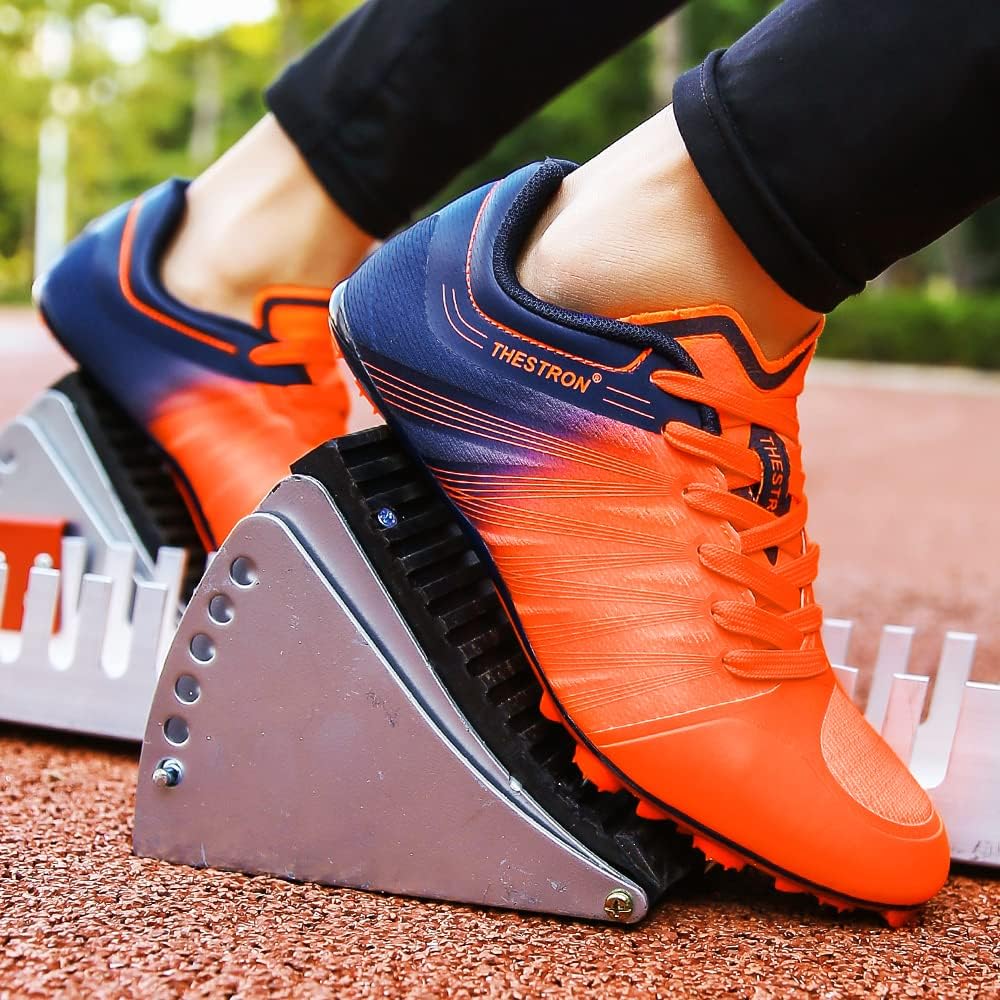
If you’ve never bought a track spike before, here’s the thirty-second version of what they are: a track spike is a lightweight racing shoe with a stiff plastic or carbon plate in the forefoot, and small removable metal or ceramic pins — called “spikes” — that screw into that plate and grip the track surface. The pins are what make them fast; the trade-off is that the shoes are purpose-built for the track and nothing else. Name-brand spikes from Nike or Adidas can run $100 to $250 and up. Generic track spikes — unbranded or lightly branded alternatives sold under various house labels — typically land between $25 and $60. That price gap is exactly why this category exists, and why “first year of track, not ready to commit to a big spend” shows up again and again as the dominant reason buyers reach for them.
This article maps what buyers consistently report after the order arrives: which models run true to size, which foot shapes get a comfortable fit and which don’t, what the durability picture really looks like across a season, and a few quality-control red flags worth knowing before you click buy. If you’re a parent outfitting a freshman, a club athlete trying to stretch a budget, or a coach evaluating a roster-wide option, this is the honest debrief.
Sizing: True-to-Size Is the Norm, But Read the Fine Print
Across aggregated buyer reviews of multiple generic spike models, the clearest pattern is this: most generic spikes run true to standard athletic shoe sizing. Reviewers consistently order their usual size — the same number they wear in a training flat or gym shoe — and report a snug but functional fit on the first wear. That’s genuinely good news for a category that used to be a sizing lottery.
The nuance matters more than the headline, though. “True to size” in a spike context means something specific: these shoes are cut narrow through the toe box and midfoot, matching the last geometry (the internal foot-shape mold a shoe is built around) of mainstream sprint spikes. That narrow profile is intentional — it reduces dead space, which reduces slippage at push-off. For athletes with a standard or slightly narrow foot, the fit reviewers describe is exactly what you’d want from a sprint spike: locked-in heel, secure midfoot, toes at the end of the box without being crushed.
The wide-foot exception is real and reviewers name it plainly. Multiple buyers of the gray/blue model variants specifically flag that athletes with wide feet should avoid the purchase, or at minimum size up by a half-size. One reviewer described the squeeze as uncomfortable enough to affect performance across a full meet. Contrast that with at least one other model in the generic category — reviewers of those variants specifically praise the wider toe box as an accommodation for broader foot profiles. The practical decision rule here: if you know you’re a wide, check whether the specific model you’re considering has reviewer comments that praise fit for wider feet. If the review thread is silent on wide feet, assume the narrower last.
By the numbers:
| Foot Profile | Recommended Approach |
|---|---|
| Standard / medium width | Order true to size in most models |
| Wide foot | Size up ½, or target models reviewed as wide-friendly |
| Narrow foot | True to size; snug fit is intentional |
| Youth converting from sneakers | Match to athletic shoe size, not casual |
Durability: What One Season Actually Looks Like
The honest durability answer from reviewers is: one full high school track season, reliably. For an athlete competing in spring outdoor track — roughly 10 to 16 weeks of practice and meets — the consensus is that generic spikes hold together. The spike plate doesn’t crack, the upper doesn’t separate, and the pins stay seated. That’s a reasonable performance for a $30–$50 shoe.
Where the picture gets more complicated is in the detail. Runners World notes in their spike category coverage that spike longevity is highly event-dependent: sprint spikes used exclusively on rubber track surfaces in controlled competition conditions outlast the same shoes used for training on multiple surface types. Podium Runner’s spike selection guide reinforces this, recommending that even budget spikes be treated as competition-only shoes — meaning you don’t jog warm-up miles in them, don’t wear them on asphalt or concrete, and swap back to flats or trainers between events.
If you treat generic spikes as competition-only and don’t ask them to be a daily trainer, most reviewers report getting through a season without meaningful degradation. If you’re expecting two or three seasons of hard use, the construction materials and adhesive bonding at that price point will likely show wear by mid-second season. That’s not a dealbreaker — it’s just calibrated expectations.
One notable quality-control flag from the review record deserves direct mention: at least one buyer received a package that included a used pair of socks and a visible fabric tear in the bag lining. That’s not a performance issue, but it’s a fulfillment and QC signal. It doesn’t represent every order, but it happened and was documented. If you’re ordering for a first-time athlete who’s already anxious about gear, that kind of unboxing experience matters. Worth knowing going in.
Installing the Spikes: This Is Normal, and Here’s How It Works
First-time buyers are routinely surprised that generic spikes — and most track spikes across the price range — arrive with the pins uninstalled, loose in the bag alongside a small spike wrench. This isn’t a defect or a missing step. It’s standard practice across the industry, and it actually gives you flexibility to choose pin length for your surface.
Here’s the short how-to: Locate the threaded holes in the forefoot of the shoe — most 8-pin sprint spikes have eight of them arranged in a fan pattern across the ball-of-foot area. Hand-thread each pin into a hole until it catches, then use the included spike wrench (it looks like a small T-bar or socket tool) to snug it down. You’re not torquing them like lug nuts — firm is enough. Over-tightening can strip the threads in the plate, especially in lower-cost models. Check them after your first competition; spikes sometimes back out slightly on first use and benefit from a quick retighten.
Track and Field News equipment coverage notes that the standard pin length for most rubber track surfaces is 6mm. If your school’s track is older or rougher, 9mm pins may provide better grip, but check your meet rules — some facilities cap pin length. The pins that come with generic spikes are typically 6mm, which is the safe default.
School Colors, Aesthetics, and the Purchase Driver Nobody Talks About
Here’s something that shows up in buyer reviews far more than it does in any spike buyer’s guide: school color matching is a real and recurring purchase motivation. Across at least four separate reviewer comments on generic spike models, buyers specifically cite matching their school’s uniform colors — red and black, blue and gold, gray and white — as a meaningful factor in which model they chose.
That’s worth taking seriously rather than dismissing. Track is a uniform sport. In middle school and high school competition especially, team cohesion and looking the part matter to athletes who are still building competitive identity. If a $35 spike in your school’s colors gets a freshman excited to train and compete, that’s a real benefit. The editorial stance here: if performance is roughly equivalent between two options at the same price and your athlete has a clear color preference, honor the preference. Engagement in sport has value.
The practical note: color availability in generic spikes tends to skew toward common school palettes — navy/white, red/white, black/gold, gray/blue. If your school has unusual colors, verify availability before assuming a specific colorway is in stock.
Are Generic Spikes Legal for High School Track Meets?
This is the question coaches and parents ask most urgently, and the answer is generally yes — with conditions. World Athletics Technical Rules (Rule 5, Competition Shoes) govern spike legality at the international and national championship level, and most U.S. state high school athletic associations align their rules with this framework. The relevant parameters: spike pins must not exceed the maximum length specified for the surface (typically 9mm for track), and the shoe must not provide an unfair mechanical advantage through extreme sole thickness or unapproved plate geometry.
Generic 8-pin sprint spikes, as a category, comply with these requirements. They are standard-construction shoes without the carbon-fiber “super spike” plate geometries that have drawn World Athletics regulatory attention in recent years. As Track and Field News has documented in covering the World Athletics approved shoe list process, the compliance review for elite carbon-plated shoes is a separate concern from entry-level competition footwear. A $35 generic sprint spike is not on anyone’s compliance watchlist.
The prudent step: confirm with your meet director or state association’s technical rules document that no local rule supersedes the baseline. Some championship meets restrict athletes to shoes on a specific approved list, which typically affects elite hardware, not entry-level spikes.
Frequently Asked Questions
Do generic track spikes come with spikes already installed, or do you have to put them in yourself? They come uninstalled — loose in the bag with a spike wrench. This is standard across essentially all track spikes at every price point. Use the included wrench to hand-thread each pin in and snug it down. Check them again after your first competition.
Are generic track spikes actually true to size, or should you size up? The consistent reviewer pattern is true to size for standard and narrow feet. If you have wide feet, size up a half-size or specifically seek out models that reviewers have flagged as wide-friendly.
Can athletes with wide feet wear generic track spikes comfortably? It depends on the specific model. The gray/blue model has explicit reviewer warnings against purchase for wide feet. Other models in the generic category are praised for accommodating wider profiles. Check the review thread for your specific model before ordering.
How long do generic track spikes realistically last — one season or more? One full high school track season is the realistic expectation, per the pattern across buyer reviews. Treat them as competition-only shoes — not warm-up or training shoes — and you’ll protect that lifespan. Two full seasons of hard use is a stretch at this price point.
Are generic spikes legal for high school track meets? Yes, in the vast majority of cases. Standard 8-pin generic sprint spikes comply with World Athletics Rule 5 and equivalent state high school association rules. Confirm pin length doesn’t exceed the surface maximum (usually 9mm) and check for any local championship restrictions.
What events are generic 8-pin sprint spikes actually designed for? The 8-pin forefoot configuration is built for short-to-middle sprint events: the 100m, 200m, 400m, and relay legs. The pin layout concentrates grip at the ball of the foot — where sprinters apply force — and is not suited for cross-country, steeplechase, or distance track events, which use different spike configurations and more cushioning.
The Decision Frame
If you’re still deciding whether generic spikes make sense for your situation, here’s the clean version:
- If X = first-year track athlete, budget is the constraint, standard foot width → Generic spikes are a rational choice. Order true to size. Install the pins. Treat them as competition-only.
- If X = wide foot → Don’t order the gray/blue model. Target models with explicit wide-foot praise in the review record, and size up a half if uncertain.
- If X = athlete approaching varsity-level competition or eyeing sub-12 sprints → The geometry and plate stiffness of name-brand spikes like the Nike Zoom Rival or Adidas Adizero SC will provide performance gains that a generic cannot match. The spend is justified; skip the generic.
- If X = coach outfitting a roster on a district budget → Generic spikes work for developmental athletes and JV rosters. Order conservatively on size (true to size), confirm colorway availability, and have athletes self-install pins with supervision before the first meet.
The right spike is the one that shows up, fits, and gets an athlete on the track. For a lot of first-year competitors, that’s exactly what this category delivers.