August 21, 2026 • Cassidy Vane • 10 min reading time • Prices verified June 6, 2026
Generic Track Spikes Under $40 Revisited: What a Full Season of Real Use Actually Reveals
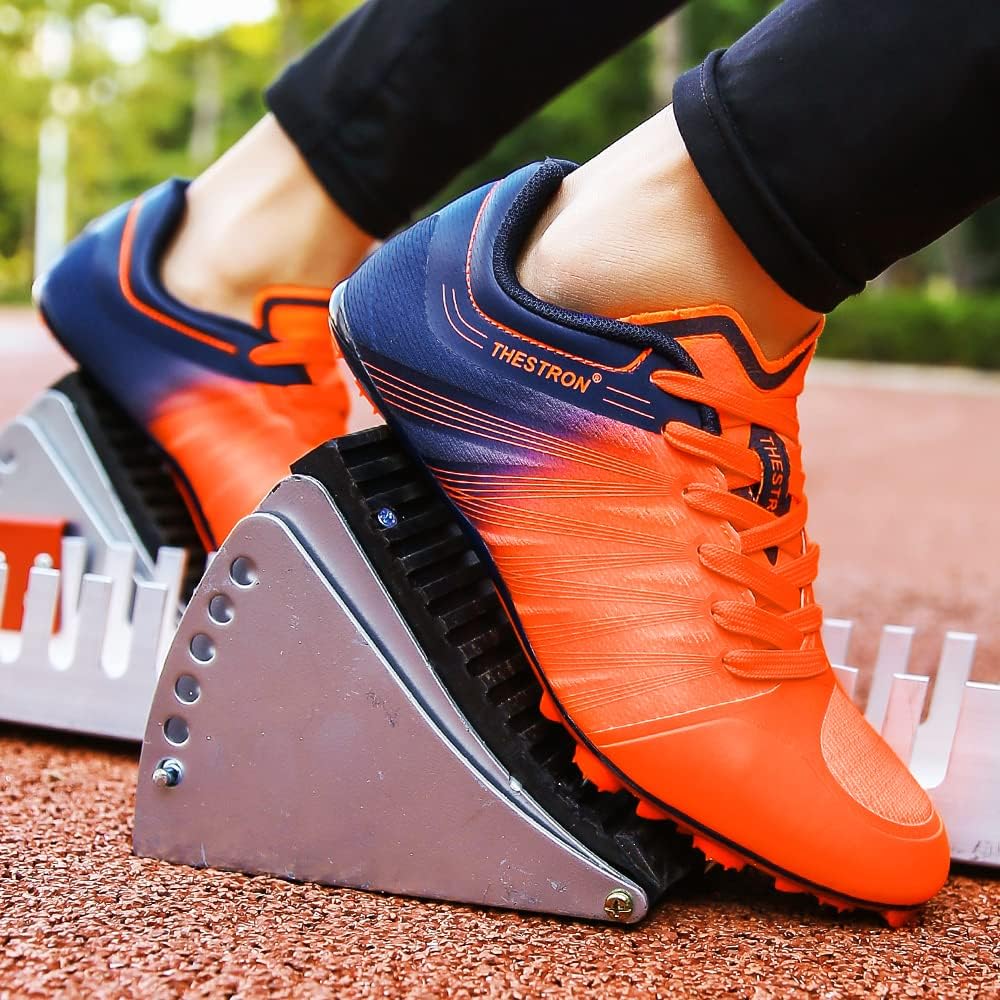
If you’ve just started looking into track spikes — the specialized shoes with little metal or plastic pins screwed into the sole that grip a rubber or synthetic track surface — one of the first things that hits you is the price range. At the top end, elite sprint spikes from major brands can run $225 or more. At the bottom end, you’ll find a cluster of no-name or generic spikes sitting right around $30–$40. The natural assumption is that cheap means bad. But across aggregated buyer reviews collected over a full high school track season, a more complicated picture emerges: athletes are running personal bests, earning medals, and finishing full seasons in these budget options. That doesn’t mean the sub-$40 category is right for everyone — fit issues and quality-control gaps are real — but the “buy cheap, regret it” narrative deserves a harder look. This article walks through exactly what the evidence shows, who benefits, and where the genuine risks are.
What Buyers Actually Report After a Full Season
The most consistent finding across aggregated reviews of generic track spikes in the $30–$40 range is one that surprises people: they work. Not “work for a beginner who doesn’t know better” — multiple buyers explicitly describe winning events, medaling at invitationals, and hitting new personal records while wearing sub-$40 generic spikes. That’s worth sitting with for a moment before we get into the caveats.
Runners World’s ongoing spike buying guide notes that the mechanical fundamentals of a track spike — a lightweight upper, a stiff spike plate, and properly spaced spike positions — are not inherently expensive to manufacture. The $200 premium you’re paying on elite models is buying you carbon-fiber plate stiffness, proprietary foam midsoles, and brand-tier fit engineering. Those things genuinely matter at a certain performance level. But below a certain threshold of competitive intensity, the basic geometry of a spike plate does the heavy lifting regardless of brand name.
Across buyer reviews, the most commonly cited benefits of generic spikes are:
- Fit that runs true to size. Reviewers consistently describe ordering their standard size and having it work, which matters a lot when buying online without a fitting appointment.
- Noticeably lighter than training shoes. First-time spike users repeatedly flag this as a genuine revelation — the weight difference versus a daily trainer is significant.
- Improved grip and traction over training flats. Especially for sprint and jump events on a rubber track, the mechanical advantage of even a basic spike plate over a flat-soled shoe is measurable.
Track and Field News’s 2025 season preview notes on junior development echo this pattern: the performance gap between a well-fitted $35 spike and a $120 mid-tier branded spike is far smaller than the gap between no spike at all and a basic spike. For a freshman athlete running their first competitive season, that foundational gain is the one that matters.
The Two Real Problems: Wide Feet and Quality Control
Here’s where the honest accounting gets important.
Problem one: These shoes run narrow. Multiple reviewers — not one or two, but a consistent pattern — flag generic spikes as poorly suited for wide feet. The fit-true-to-size praise applies specifically to athletes with standard or narrow feet. If you have a wide foot (often labeled EE or 2E in traditional sizing), a generic spike with no width option is likely to cause toe crowding, blistering, or the kind of discomfort that turns a race into a grind. This is not a minor caveat. It’s a clear go/no-go qualifier.
Running Magazine Canada’s entry-level spike guide makes the same point about budget footwear broadly: narrow lasts (the mold used to shape the shoe’s interior) are a manufacturing cost-saver, and you’ll find them throughout the sub-$50 category regardless of brand. If you’re shopping for a wide-footed athlete — or if you’re the athlete yourself and have ever had fitting problems in standard shoes — this category requires a different approach, and we’d steer you toward mid-tier branded options with documented width sizing.
Problem two: Marketplace quality control is inconsistent. One data point that showed up across reviews stands out as a red flag: at least one buyer received what appeared to be a previously returned pair — used socks still inside, a small tear visible on the upper. This is a known risk in third-party marketplace fulfillment, where returned items can be re-shelved and reshipped without adequate inspection. It’s not unique to track spikes, but it’s worth naming directly.
The practical implication: if you’re ordering generic spikes through a large online marketplace, document the package condition on arrival, open and inspect before the first use, and know the return window. A two-week return policy doesn’t help if you don’t notice the problem until after your first meet.
The Spike Installation Surprise (Especially for First-Time Parents)
This comes up enough in reviews that it deserves its own section: generic track spikes do not come with the spike pins pre-installed. The pins — the actual metal or plastic studs that grip the track surface — are shipped loose in a small bag. You screw them in yourself using a spike wrench (sometimes included, sometimes not).
For experienced athletes, this is obvious. For a parent buying their kid’s first pair of spikes, it’s a genuine surprise that has caused more than one last-minute meet-day scramble. The installation itself is simple — most spikes use a standard ⅛-inch thread and take about two minutes per shoe — but you need to know it’s coming, have the right tool, and ideally do it the night before a meet rather than in the parking lot.
Per World Athletics Technical Rule 5, spike pins used in competition must not exceed 9mm in length for track events on synthetic surfaces (11mm for cross country and field events). Generic spikes typically ship with 6mm pyramid spikes, which are legal and appropriate for most high school track surfaces. Worth confirming with your coach before your first meet.
By the Numbers
| Category | Sub-$40 Generic | Mid-Tier Branded ($80–$130) | Elite ($200+) |
|---|---|---|---|
| Plate material | Plastic | Nylon/TPU blend | Carbon fiber |
| Average weight (size 10M, approx.) | ~5.5–6.5 oz | ~4.5–5.5 oz | ~3.5–4.5 oz |
| Width options | Typically none | Some | Limited |
| Expected lifespan | 1–2 seasons | 2–3 seasons | 1–2 seasons (elite racing) |
| Meet-legal spike configuration | Yes | Yes | Yes (verify World Athletics list) |
Sources: published manufacturer specs; Runners World spike guide 2025; World Athletics Technical Rules 2024.
Color Matching and the Aesthetic Dimension (Take It Seriously)
This one gets dismissed by gear-obsessed analysts, but it shows up in buyer reviews often enough to warrant acknowledgment: athletes care whether their spikes match their uniform, and for teen competitors, this is a legitimate purchase driver, not a vanity footnote.
Generic spikes often come in a wider range of colorways than mid-tier branded options at the same price point, and reviewers mention this explicitly — a green-and-white color scheme that matched a school uniform, a color combination that wasn’t available in any branded option at the same budget. Podium Runner’s feature on racing footwear psychology notes that confidence and feeling “right” in gear has a real, if hard-to-quantify, effect on performance. If a $32 spike in the right color scheme gives a 16-year-old more confidence than a $75 spike in a colorway they hate, that’s a real factor worth including in the decision.
Frequently Asked Questions
Do generic track spikes come with pins already installed, or do I have to put them in myself?
You install them yourself. The spike pins ship loose in a small bag. Most generic spikes include a spike wrench, but not all — confirm before race day and keep a wrench in your track bag. The installation is straightforward: hand-tighten, then snug with the wrench. Don’t overtighten; you’ll strip the thread and make future removal difficult.
Are budget track spikes durable enough for a full high school track season?
Based on aggregated buyer reviews, yes — for most athletes. A typical high school outdoor track season runs roughly 10–14 weeks, with practice volume and a meet schedule that doesn’t approach the mileage logged by a post-collegiate racer. Reviewers across multiple seasons describe generic spikes holding up through full seasons without structural failure. The caveat is that the upper materials and stitching are thinner than branded counterparts, so heavy-volume training in spikes (versus using training flats for workouts) will accelerate wear.
Are these spikes suitable for wide feet?
Generally no. The narrow last used in most generic spike production is the most consistent fit complaint across reviews. If you have a standard or slightly narrow foot, reviewers report comfortable true-to-size fit. If you have a wide foot or have had fitting issues with standard shoes before, the sub-$40 generic category is a poor fit risk, and a mid-tier branded spike with documented width options is a better starting point.
Can a beginner actually improve their times wearing a $30 spike?
Yes, and this is one of the clearest findings in the review data. For athletes transitioning from training flats to spikes for the first time, the mechanical advantage — lighter shoe, stiffer plate, better grip — produces genuine time improvements that have nothing to do with brand premium. Multiple reviewers describe hitting personal bests and winning events in sub-$40 generic spikes. For a first-season athlete, the absolute value of “spike versus no spike” is far larger than the marginal value of “expensive spike versus cheap spike.”
When does it make sense to upgrade from a generic spike to a brand-name model?
A few clear signals: First, if you’re making finals at regional or state-level competition and need every marginal advantage, the plate stiffness and weight savings of a mid-tier or elite spike become meaningful. Second, if you’re logging high training volume in spikes (rather than reserving them for meets), the durability and fit quality of a branded option pays off over multiple seasons. Third, if foot fit is a persistent issue — blistering, toe crowding, heel slippage — the better last engineering and width options in branded spikes solve problems that no amount of lacing adjustment fixes. Track and Field News’s junior development notes frame the upgrade threshold simply: when your finishing position is being decided by hundredths of a second, footwear becomes a performance variable; before that, fundamentals and fitness matter more.
The Decision Frame: If X, Then Y
Here’s the honest summary:
- If you’re a first-season high school athlete with a standard or narrow foot, a limited budget, and a school uniform with a specific color scheme → a sub-$40 generic spike is a legitimate, meet-legal choice that buyers consistently report performing well in.
- If you have wide feet → skip the generic category entirely and spend toward a mid-tier branded option with documented width sizing. The fit risk isn’t worth the savings.
- If you’re ordering online → inspect on arrival, photograph any damage, and know your return window before the package is sealed back up.
- If you’re making championship finals or plan to wear spikes heavily in practice → the durability and plate quality of a $80–$130 branded spike starts earning its price premium after a second season of use.
- If you’re a parent buying a first pair as a gift → confirm the athlete’s foot width and whether they need a color-specific match before defaulting to brand name alone.
The sub-$40 generic spike isn’t a compromise that produces compromise results. For the right athlete, it’s a rational, evidence-backed choice. For the wrong foot shape, it’s a season of discomfort. Know which situation you’re in, and the decision is straightforward.