August 18, 2026 • Cassidy Vane • 9 min reading time • Prices verified June 6, 2026
Nike's Track Spike Lineup Decoded: Superfly Elite 2, Zoom Mamba 6, Rival Sprint, and JA Fly 4 — Which One Is Actually for You?
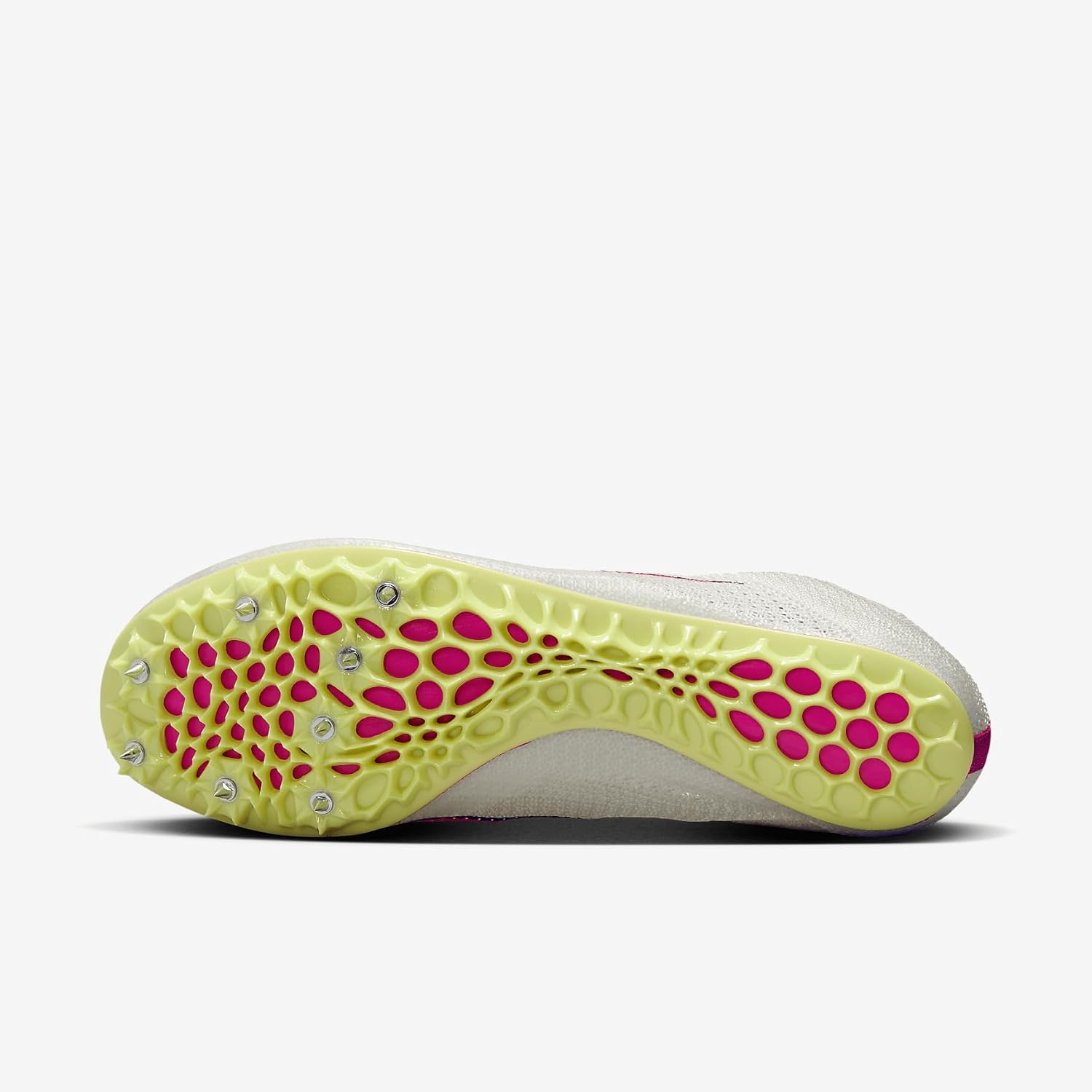
If you’ve spent any time shopping for track spikes — the lightweight, cleated shoes athletes wear on an all-weather rubber track — you’ve probably noticed that Nike sells several versions that look vaguely similar but carry wildly different price tags, from around $40 to well over $200. That gap isn’t marketing noise. Each shoe is engineered for a specific job: how far you’re racing, how fast you are right now, whether you’re chasing a PR or just surviving your first varsity season without blisters. The problem is that Nike’s naming system doesn’t exactly make the differences obvious. This guide breaks down the four spikes you’re most likely to encounter — the Superfly Elite 2, the Zoom Mamba 6, the JA Fly 4, and the Rival Sprint — in plain terms, with honest “do you actually need this?” framing attached to every tier.
What Each Spike Is Actually Trying to Do
Before getting into the spec comparisons, it helps to understand that sprint spikes exist on a spectrum defined by two competing priorities: stiffness (how much the shoe resists bending under your foot, which converts force into forward propulsion) and compliance (how much it flexes and cushions, which matters for comfort over longer distances or for athletes whose mechanics aren’t yet optimized for a maximally rigid plate).
Here’s the quick lineup at a glance:
| Shoe | Retail (2026) | Target event | Key tech | WA Compliant? |
|---|---|---|---|---|
| Superfly Elite 2 | ~$225 | 60m–200m elite | Full-length carbon fiber sprint plate | Yes |
| Zoom Mamba 6 | ~$140 | 100m–400m competitive | Pebax sprint plate, ZoomX midsole foam | Yes |
| JA Fly 4 | ~$90 | 100m–400m developmental | TPU plate, lighter build | Yes |
| Rival Sprint | ~$40–$55 | All sprint events, training | Rubber outsole, no plate | Yes |
(World Athletics — Approved Competition Shoes list, 2025–2026 edition confirms all four models are cleared for sanctioned competition as of the current outdoor season.)
Now let’s go deeper on each.
The Superfly Elite 2: The One You’ve Seen on the Diamond League Feed
The Superfly Elite 2 is Nike’s flagship sprint spike — the shoe that shows up in slow-motion footage of world-class 100m finalists. At around $225, it’s also the shoe that most high school athletes should pause before buying.
What makes it special is the full-length carbon fiber sprint plate embedded in an extremely stiff, thin midsole. Carbon fiber (a rigid, ultralight material used across aerospace and elite sports equipment) locks the foot into what’s called a plantarflexed position — toe pointed slightly downward — which mimics the high-speed sprint mechanics of athletes who have already developed the posterior chain strength and stride rate to benefit from it. The upper is a minimal, lock-down mesh designed to feel like a second skin at max velocity.
Flotrack’s coverage of the 2025 Diamond League noted that the Superfly Elite 2 appeared on the feet of multiple sprint finalists, with coaches citing the plate’s energy return characteristics as a genuine differentiator at world-class competition speeds.
The honest caveat: published biomechanical research — including the framework Runner’s World has cited repeatedly in its sprint spike coverage — suggests that maximally stiff carbon plates deliver measurable performance benefit primarily for athletes running at or near elite velocities. If your 100m PR is above 11.5 seconds (women) or 10.8 seconds (men), you may not be moving fast enough for the plate to do what it’s designed to do. Below those thresholds, the stiffness can actually work against you, forcing your foot into a position your stride mechanics aren’t ready to support. Owners across aggregated reviews frequently flag that the fit is extremely narrow through the midfoot — this is a shoe built for a very specific foot profile.
If X, then Y: If you’re a sub-11.5/10.8 sprinter who has used a mid-tier spike for at least a full outdoor season and your coach is actively involved in your footwear decisions, the Superfly Elite 2 is worth serious consideration. If you’re a freshman or sophomore still developing your sprint mechanics, skip it this season and revisit at the end of the year.
The Zoom Mamba 6: The Performance Middle Ground That Actually Makes Sense for Most Competitive Athletes
The Zoom Mamba 6 sits at roughly $140 and represents what Podium Runner’s Spring 2026 sprint spike buyer’s guide called “the most versatile spike in Nike’s competitive lineup” — a characterization that holds up when you look at where the shoe sits mechanically.
Instead of full carbon fiber, the Mamba 6 uses a Pebax (a lightweight thermoplastic used in many high-end running plates — stiffer than standard plastic but with some flex) sprint plate paired with Nike’s ZoomX midsole foam. ZoomX is the same nitrogen-infused foam compound Nike uses in its elite road racing shoes; it’s measurably softer and more energy-returning than standard EVA (ethylene-vinyl acetate, the white foam in most budget shoes). The result is a spike that provides genuine propulsive stiffness without the unforgiving lock-in of full carbon.
For athletes competing in the 100m through 400m, this mechanical profile is actually more forgiving across a race — the slight compliance in the plate reduces the leg fatigue that a maximally rigid shoe can create over multiple rounds at a championship meet. Track and Field News’s 2025 elite sprint footwear roundup observed that several NCAA athletes specifically cited multi-round performance as a reason for preferring Pebax-plate spikes over full carbon options during conference and national championship weekends.
The upper is more accommodating in volume than the Superfly Elite 2 — owners consistently report a better fit for medium-width feet, which is the majority of the population.
The math check: At $140 versus $225 for the Superfly Elite 2, you’re saving $85. If you’re racing 8–12 meets per season, that’s a meaningful difference — especially if you’re also buying a distance flat or a 400m-specific spike as a second pair. The Mamba 6 is also more available at major specialty retailers including Running Warehouse and JackRabbit, which matters for return window access if fit is an issue.
If X, then Y: If you’re a competitive varsity or collegiate sprinter logging 8+ meets per year, have a sprint PR in the 11.5–12.5 (women) / 10.8–11.5 (men) range for the 100m, and want genuine performance hardware without the elite-tier price and fit risk, the Zoom Mamba 6 is the clearest recommendation in Nike’s sprint lineup.
The JA Fly 4: The First Real Spike for Developing Sprinters
Named after NBA athlete Ja Morant (a co-branded product that leans into crossover sports marketing), the JA Fly 4 lands at roughly $90 and uses a TPU (thermoplastic polyurethane) sprint plate — stiffer and more propulsive than a standard rubber outsole, but without the performance-focused geometry of Pebax or carbon options.
Think of TPU as the entry point to real sprint plate technology: it’s the material found in most mid-range spikes across brands, it’s durable enough to handle high training volume, and it doesn’t demand the sprint mechanics that elite plates require. For a JV sprinter, a freshman developing their block start, or an athlete transitioning from cross country to track, this is a meaningful upgrade over a flat training shoe or a basic rubber-soled spike — without asking your legs or your wallet to absorb elite-tier demands.
The JA Fly 4 runs in a slightly higher stack (the height of the midsole measured from the ground up) than the Mamba 6 or Superfly Elite 2, which adds a small amount of cushioning. That’s not a flaw at this tier — it’s appropriate for an athlete who may be running multiple events, warming up without spike bags, or still building the posterior chain strength that sprint spikes demand.
Fit notes from aggregated reviews suggest the JA Fly 4 is one of Nike’s more accommodating sprint spike uppers — a meaningful consideration for athletes who’ve struggled with the narrow fit profiles of elite-tier options.
If X, then Y: If you’re new to spike racing, running JV or sub-varsity, or a parent buying for an athlete in their first competitive season, the JA Fly 4 is the right level of investment. Don’t let anyone upsell a freshman to the Superfly Elite 2. The JA Fly 4 will not hold them back — their mechanics and fitness will develop faster than any plate differential.
The Rival Sprint: The One That Does the Unglamorous Work
At $40–$55, the Nike Zoom Rival Sprint (often sold simply as “Rival Sprint”) is not a performance spike in the high-tech sense. It uses a standard rubber outsole with a multi-spike configuration — no carbon, no Pebax, no ZoomX. It’s the entry tier, and it’s exactly right for several situations that performance marketing tends to underemphasize.
Where it actually wins:
- Training volume: Elite spikes are designed for race-day mechanical loading, not for 400m repeats on a Tuesday. Using a $225 spike in practice is how you wear through a plate in six weeks. The Rival Sprint handles training load without the replacement math anxiety.
- Recreational and club athletes who compete a few times per year and don’t need the performance ceiling of higher-tier options.
- Coaches and athletic directors outfitting full rosters on school budgets. Podium Runner’s buyer’s guide has consistently noted that the Rival Sprint’s fit consistency across a full size run makes it one of the more predictable bulk-purchase options in Nike’s lineup.
- Gift buyers whose athlete is competing recreationally or just starting out — this is the shoe to buy when you’re not sure yet how serious the commitment will be.
The Rival Sprint is World Athletics compliant for sanctioned competition, so it won’t disqualify anyone at a regulated meet.
If X, then Y: If your athlete is in their first year of organized track, competing recreationally, or you need a training spike to preserve a more expensive race-day pair — the Rival Sprint is not a compromise. It’s the correct tool for those specific jobs.
The Decision Framework: A Clean Summary
Here’s the honest version, stripped of marketing:
- Sub-elite competitive athletes (varsity, collegiate, club) with developed sprint mechanics: Zoom Mamba 6. It’s the most complete competitive spike Nike makes for the largest slice of the competitive population.
- True elite or post-collegiate athletes in short sprint events: Superfly Elite 2, but only with a coach’s input on your specific mechanics and fit profile. Verify the World Athletics approval status for your specific competition.
- Developing athletes, first spike purchase, JV level: JA Fly 4. The $90 is well spent. The $225 is not yet.
- Training, budget builds, first-year competitors, roster outfitting: Rival Sprint. Don’t overthink it.
One final note: spike technology moves quickly, and last-season models of the Mamba 6 and JA Fly 4 regularly appear at 20–30% discounts at specialty retailers after the outdoor season closes in late June. If your athlete doesn’t need new hardware until fall indoor season, waiting has real financial upside with zero performance downside — last year’s plate hasn’t gotten slower.