August 18, 2026 • Cassidy Vane • 10 min reading time • Prices verified June 6, 2026
Saucony Kilkenny XC9 vs. Havok XC3 vs. Velocity MP: Which XC Spike Fits Your Athlete Right Now
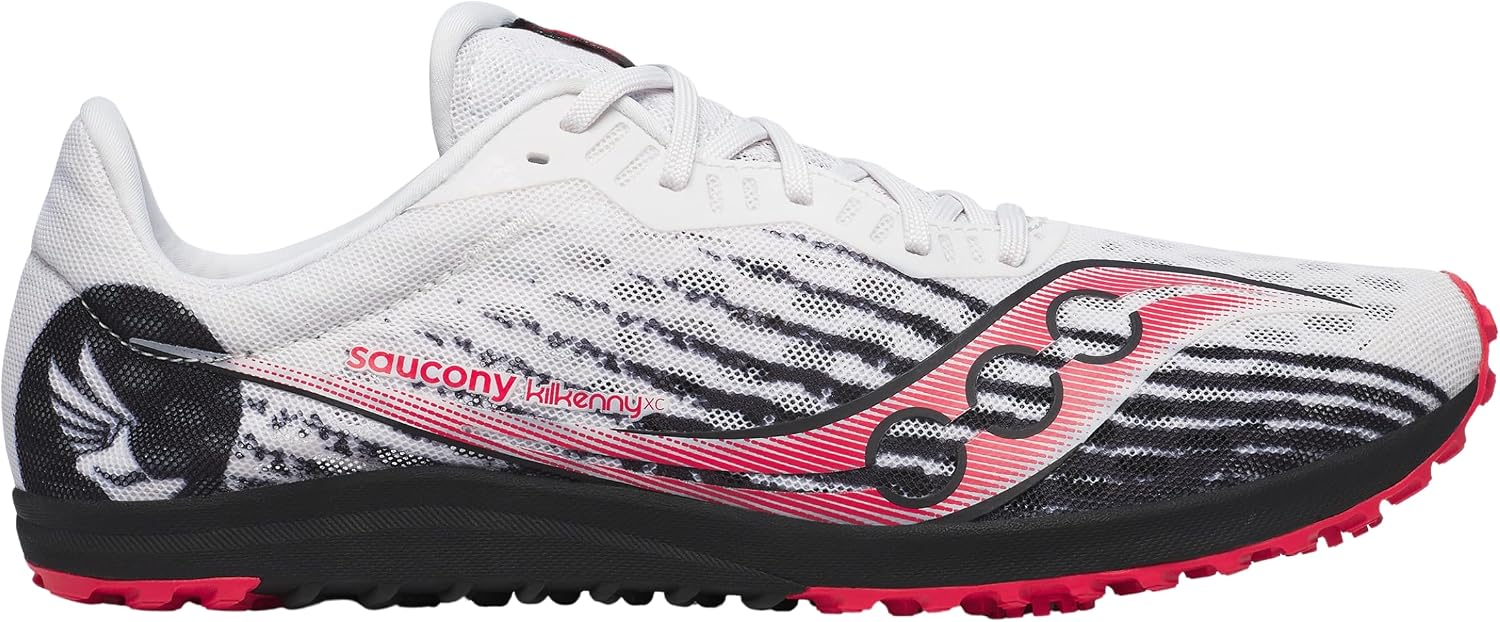
Cross country spikes — the lightweight, spike-studded racing shoes that grip grass, mud, and dirt during the fall XC season — are one of the most under-researched purchases in high school athletics. Most athletes grab whatever the team store has in their size and hope for the best. That works at the developmental level, but if you’re reading this, you’re probably past that point. You have an athlete — or you are the athlete — who’s mid-season or staring down preseason shopping, and you need to know whether the Saucony Kilkenny XC9, the Havok XC3, or the Velocity MP is actually the right call for their foot shape and race calendar. These three Saucony models sit close together on paper but diverge fast in practice. This article maps those differences so you can make a confident decision without ordering two pairs and returning one.
| EDITOR'S PICKSaucony Men's Kilkenny XC9 Spik… | Mid-tierSaucony Men's Havok XC 3 Spike… | Budget pickSaucony Women's Kilkenny Xc9 Sp… | |
|---|---|---|---|
| Gender | Men's | Men's | Women's |
| Size | 10 | 10 | 10.5 |
| Colorway | White/Black | Prospect Quartz | Indigo |
| Product line | Kilkenny XC9 | Havok XC 3 | Kilkenny XC9 |
| Price | $49.99 | $29.99 | $19.99 |
| See on Amazon → | See on Amazon → | See on Amazon → |
The Short Version: How These Three Models Actually Differ
Before the granular fit notes, here’s the frame:
- Kilkenny XC9 — Saucony’s flagship XC racing spike. Minimal, fast, aggressive. The women’s model skews narrow and slim, prompting consistent size-up feedback from reviewers.
- Havok XC3 — A step toward versatility. More accommodating fit, accurate sizing, durability that holds up when a purchase has to work immediately.
- Velocity MP — A multi-purpose spike (that’s what “MP” stands for) with a more structured build. Reviewers praise arch support, but the fit profile is specific enough that some athletes need to return and exchange.
The core decision tree is this: are you optimizing for race-day lightness, fit reliability, or surface flexibility? Each model gives a different answer.
Quick-reference comparison:
| Model | Fit Width | Spike Retention | Size-Up Needed? | Best For |
|---|---|---|---|---|
| Kilkenny XC9 (W) | Narrow/slim | Loose spikes flagged | Yes, often half size | Racing-weight XC |
| Havok XC3 | Moderate | No notable reports | True to size | Training + racing, all surfaces |
| Velocity MP | Moderate-narrow | Not reported | Depends on arch volume | Structured support seekers |
Sources: aggregated buyer commentary from Let’s Run forums; Podium Runner, “XC Footwear Roundup.”
Head-to-Head: Each Model in Detail
Kilkenny XC9: Fast Shoe, Specific Foot
The Kilkenny line is Saucony’s most competition-focused XC spike, and the XC9 generation refines a formula that’s been reliable for club and collegiate athletes for years. Reviewers across aggregated commentary consistently describe the racing feel as one of the better options in the sub-$100 XC spike tier — low to the ground, responsive underfoot, with a spike plate geometry that bites well on firm grass.
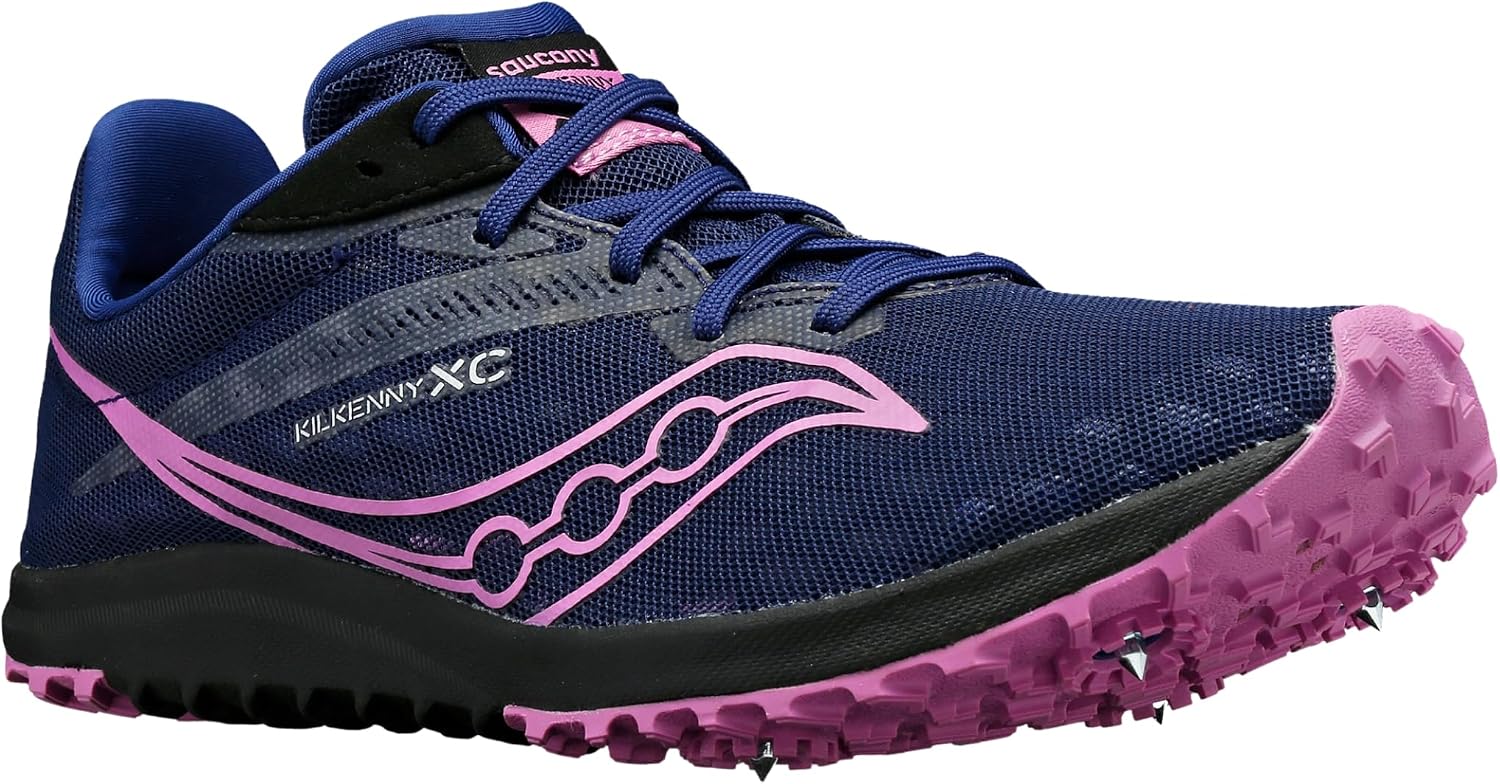
Here’s where you need to pay attention: the women’s model runs narrow and slim through the midfoot. This isn’t a subtle variance — reviewers explicitly flag it. The consensus recommendation from athletes who’ve worn the women’s Kilkenny XC9 is to size up, often by a half size. If your athlete has a medium or wider forefoot, this shoe will feel pinched during the race, which matters a lot when you’re 4,000 meters into a 5K and your toes are fighting the toebox.
The more pressing durability flag is spike retention. Multiple reviewers note that spikes work loose during races. This is not a catastrophic failure — you can address it — but it’s a concrete performance and maintenance issue that separates the Kilkenny XC9 from the Havok XC3, where no comparable complaint surfaces. The standard fix is anti-seize compound or spike lock washers applied at the start of the season. Runner’s World, in their “Cross Country Spike Buying Guide,” notes that spike retention is often a function of how frequently spikes are rotated and whether threads are cleaned before installation — worth building into your pre-season checklist regardless of which model you’re running.
If you’re making a last-week-of-season emergency purchase, spike loosening is one more variable you don’t want.
Who this shoe is for: An experienced XC athlete who knows their Saucony sizing, has a narrow-to-medium foot, has time to address spike maintenance before racing, and wants maximum racing lightness.
Saucony
$49.99
In stock on Amazon
Check price on AmazonHavok XC3: The Reliable One
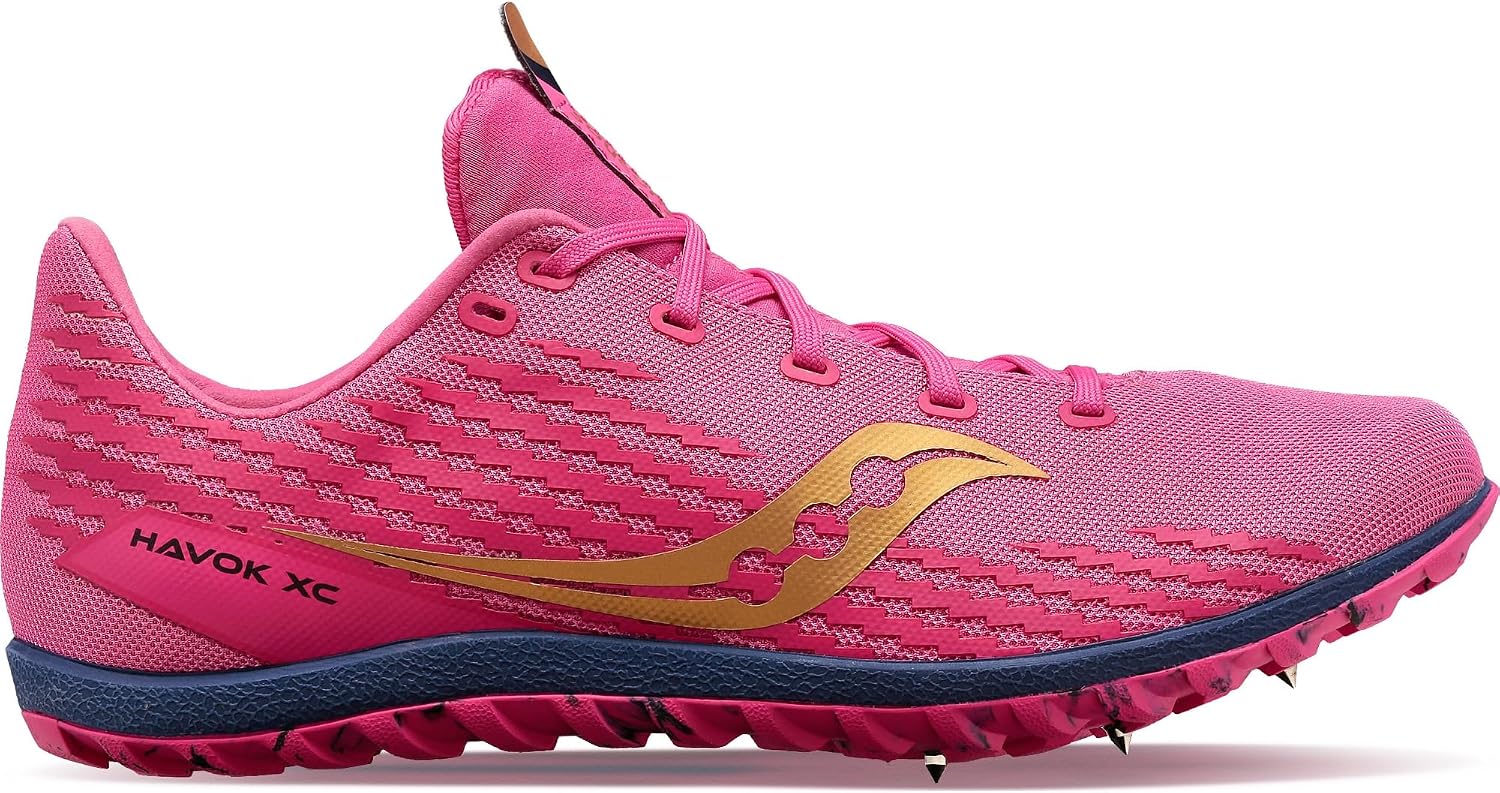
If the Kilkenny XC9 is the aggressive racing choice, the Havok XC3 is the one that performs without drama. Reviewers consistently report accurate, true-to-size fit — the kind of sizing you can trust when ordering online without a try-on. One buyer account that stands out across aggregated Let’s Run forum commentary: an athlete purchased the Havok XC3 with very little lead time and ran state in them. That’s a data point worth taking seriously. It means the shoe doesn’t need a long break-in window and that the fit profile is forgiving enough that athletes can perform at high stakes without weeks of prior use.
The Havok XC3 also shows no notable reports of spike loss across buyer feedback, which is a real differentiator from the Kilkenny XC9. Spike security matters on varied terrain — muddy course sections, soft turf, uneven natural cross country routes — where a loose or missing spike isn’t just a performance issue, it’s a footing issue. Track and Field News, in coverage of spike configuration and surface notes, has observed that athletes racing on courses with significant surface variation benefit from consistent spike contact, making spike retention a functional concern, not just an aesthetic one.
The Havok XC3 does trade some of the pure racing weight of the Kilkenny for that reliability. If your athlete is chasing state championship hardware and racing on a well-maintained course, the Kilkenny XC9 — sized correctly — might deliver a marginal racing advantage. But for most high school athletes, and certainly for any emergency or mid-season replacement scenario, the Havok XC3 is the safer, smarter bet.
Who this shoe is for: Athletes across experience levels who need a reliable fit out of the box, coaches buying for multiple athletes and needing consistent sizing across the roster, and anyone whose purchase timeline doesn’t allow for a break-in or exchange window.
Saucony
$29.99
In stock on Amazon
Check price on AmazonVelocity MP: Support-First, Specific Fit
The Velocity MP is built around a different value proposition than the other two: it’s a multi-purpose spike designed to handle both cross country and track, with a more structured midsole and notably better arch support than either the Kilkenny or Havok. Reviewers who comment on the arch support are genuinely enthusiastic about it — this is not a feature you typically get in a pure racing XC spike.
The catch is that the Velocity MP fits a specific foot profile, and the margin for error is tighter than you’d want. One buyer account is instructive: the reviewer praised the arch support but ultimately returned the shoe due to foot size mismatch. That’s not a knock on the shoe’s quality — it’s an honest signal that the Velocity MP rewards athletes who know their foot geometry precisely. If your athlete has a neutral or slightly high arch and falls cleanly into standard sizing, this shoe can be an excellent multi-use option. If their foot shape is at all unusual — wide forefoot, low arch, especially high volume through the midfoot — the Velocity MP may not fit without a try-on.
Compared directly to the Kilkenny XC9 women’s model, the Velocity MP is not dramatically wider, but the arch structure creates a different internal geometry that some feet respond to very well and others don’t. It’s less about raw width and more about how the shoe’s internal volume aligns with the athlete’s foot shape.
Who this shoe is for: Athletes who need arch support in a spike — a real and valid need — run a clean standard size, and want a shoe they can carry into early track season without buying a separate pair.
Saucony
$19.99
In stock on Amazon
Check price on AmazonCross-Training Into Track Season: A Real Pattern Worth Addressing
A recurring theme across all three of these Saucony models — flagged by multiple reviewers independently — is athletes using their XC spikes into track season. This is a real behavior, not an edge case, and it’s worth being direct: it works, with caveats.
XC spikes and track spikes are not identical. XC spikes typically use pyramid or pin spikes in a configuration optimized for grip on varied surfaces. Track spikes — especially for sprint and middle-distance events — use a stiffer plate and spike geometry tuned for oval surfaces. Using an XC spike on a standard rubber track won’t destroy the shoe, but you’ll want to swap to shorter spikes (6mm or less) to protect the track surface and avoid penalty at sanctioned meets. World Athletics and most state athletic associations have surface protection rules about spike length on standard tracks, so confirm your spike configuration before your first track meet.
The Velocity MP, given its “multi-purpose” design intent, transitions most naturally to track use. The Havok XC3 follows. The Kilkenny XC9, being the most racing-specific of the three, is the least natural track crossover — though athletes do use it.
Podium Runner, in their “XC Footwear Roundup,” notes that for athletes on tight budgets who can only invest in one pair of spikes per season, a versatile XC model worn into early track season is a legitimate strategy, particularly for middle-distance events. That framing applies directly to the Velocity MP and Havok XC3 as your two best bets for cross-season use.
Frequently Asked Questions
Do Saucony Kilkenny XC9 spikes get loose during races, and how do you prevent it?
Yes — this is a documented pattern across buyer reviews, not an isolated complaint. Loose spikes are the Kilkenny XC9’s most consistent criticism. Prevention: apply a small amount of anti-seize compound (available at hardware stores) to spike threads before installation, hand-tighten with a spike wrench to manufacturer torque spec, and check tightness after the first warm-up run. Inspect before every race.
Should you size up in the Saucony Kilkenny XC9 women’s model?
Based on aggregated reviewer feedback from Let’s Run forums, yes — typically by a half size. The women’s model runs narrow and slim through the midfoot. Athletes with medium or wider feet should size up and confirm fit before racing. If you’re ordering online close to a race, account for potential exchange time.
Can you use the Havok XC3 or Kilkenny XC9 for track season after cross country?
Yes, with spike length adjustments. Swap to shorter pyramid spikes (6mm) for standard rubber tracks to stay within surface protection rules. The Havok XC3 transitions more naturally given its broader versatility. The Kilkenny XC9 works but is less ideal for the track environment.
How does the Velocity MP fit compared to the Kilkenny XC9 — is one narrower?
The Kilkenny XC9 women’s model skews narrower overall. The Velocity MP has a different internal geometry due to its arch structure, which creates a more specific fit profile — reviewers report it fits well for some athletes and requires a return for others. Neither shoe is ideal for wide feet; the Havok XC3 offers the most accommodating fit across foot types.
Are these Saucony XC spikes suitable for muddy courses or only dry grass?
All three are designed for varied XC terrain, including mud. The Havok XC3 earns the most consistent positive feedback on varied surfaces. For extremely muddy courses, spike length matters as much as shoe choice — longer pyramid spikes (9mm) improve grip in soft conditions. Check your meet’s spike regulations before swapping configurations.
Which Saucony XC spike is the best emergency replacement if your athlete’s shoes fail late in the season?
The Havok XC3 — without hesitation. It fits true to size, requires no break-in, and has no notable spike retention issues. The reviewer account of an athlete running state in a last-minute Havok XC3 purchase, surfaced across Let’s Run forum commentary, is the clearest real-world endorsement you’ll find. Don’t gamble on the Kilkenny XC9 or Velocity MP when time is short and fit confirmation isn’t possible.
The Decision Rule
If your athlete is racing competitively, knows their Saucony sizing, has a narrow foot, and has time to address spike maintenance: Kilkenny XC9.
If you need a reliable fit, accurate sizing, no drama, and room for early track crossover: Havok XC3.
If your athlete needs arch support in a spike, runs a clean standard size, and wants one shoe to cover both seasons: Velocity MP — but try before you commit if at all possible.
When in doubt and time is short: Havok XC3. It’s the shoe that earns trust under pressure.